
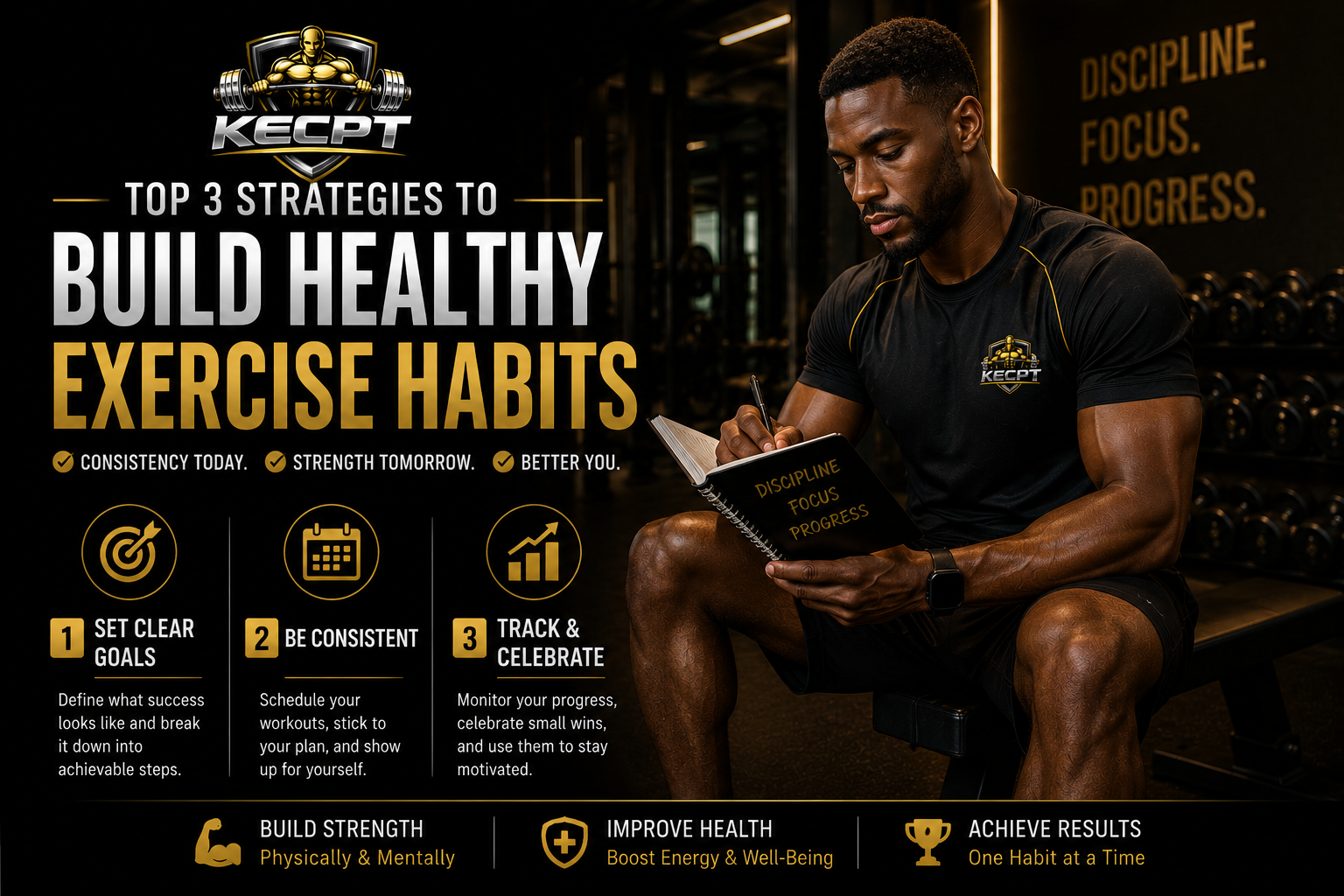
The difference between those who achieve lasting fitness and those who don't isn't willpower or motivation—it's habits. Understanding the psychology of habit formation can transform your relationship with exercise.
Why Motivation Fails
Motivation is fleeting. It feels great when it's there, but it's unreliable. Building your fitness on motivation alone is like building a house on sand. Habits, on the other hand, operate automatically, requiring little conscious effort.
The Habit Loop
Every habit consists of a cue (trigger), routine (the behavior), and reward (the payoff). Understanding this loop allows you to engineer new habits deliberately rather than hoping they develop on their own.
Start Embarrassingly Small
The biggest mistake is starting too ambitious. 'I'll work out an hour every day' sets you up for failure. Instead, start with something so easy it feels almost silly—a 5-minute walk, two push-ups, putting on workout clothes. The goal is consistency, not intensity.
Stack New Habits on Existing Ones
Attach your exercise habit to something you already do reliably. After morning coffee, do 10 squats. Before your shower, do a quick stretch routine. This habit stacking makes the cue automatic.
Make It Convenient
Remove friction from exercising. Sleep in workout clothes. Keep equipment visible and accessible. Choose a gym on your commute. The easier you make it to start, the more likely you'll follow through.
Don't Break the Chain
Track your consistency. A simple calendar where you mark each day you exercise creates a visual chain you won't want to break. This simple technique is surprisingly powerful for building consistency.
Plan for Obstacles
Think ahead about what might derail you—travel, busy weeks, bad weather—and have backup plans ready. 'If I can't get to the gym, I will do a 15-minute home workout' removes decision-making when motivation is low.
Find Your Why
Connecting exercise to deeper values sustains motivation long-term. Not 'I should exercise' but 'Exercise helps me be present with my kids' or 'Being fit lets me travel and adventure.' Make it personally meaningful.
Identity Shift
The ultimate goal is shifting how you see yourself. You're not someone trying to exercise—you're someone who exercises. This identity-based approach makes healthy choices feel natural rather than forced.
Progress, Not Perfection
Missed workouts happen. The key is getting back on track immediately rather than letting one miss become many. A bad week doesn't erase good months—just return to your habits without guilt.
At KECPT, we help you build sustainable fitness habits that fit your life. Our approach focuses on consistency over intensity, making exercise something you look forward to rather than dread.